
Sustainable Cannabis Cultivation: Best Practices

Sustainable cannabis cultivation

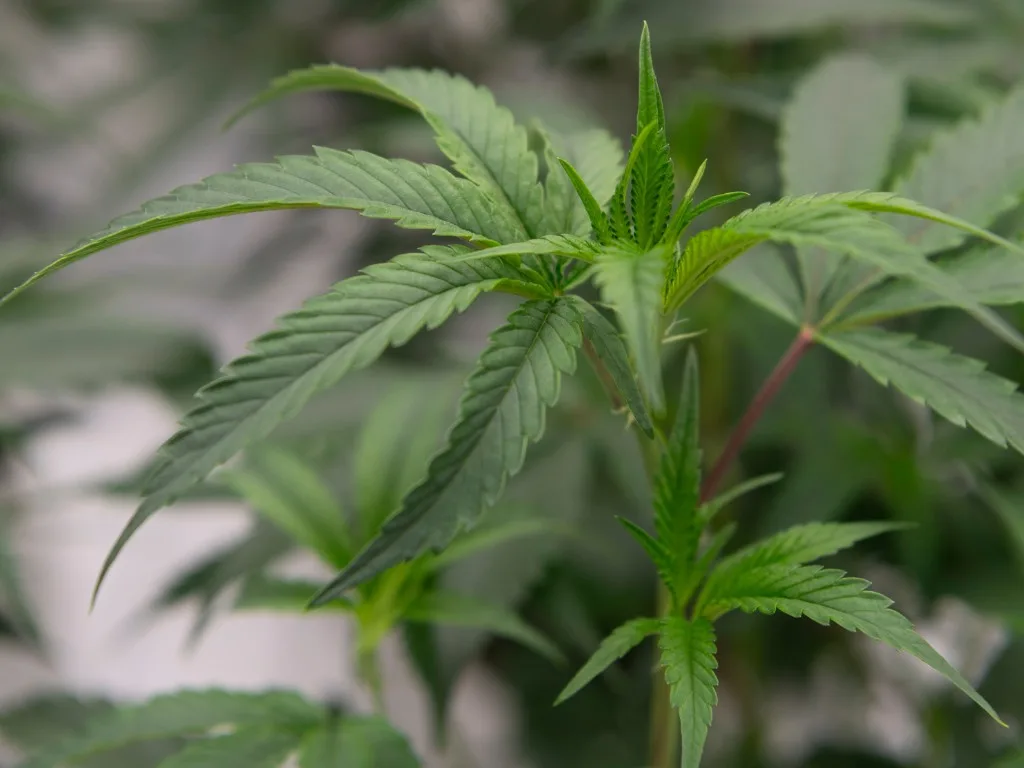
As the cannabis industry grows, sustainable cultivation practices become increasingly important. Here are some key considerations for environmentally friendly cannabis growing.

Water conservation is crucial in cannabis cultivation. Implementing drip irrigation systems and rainwater collection can significantly reduce water usage.

Energy efficiency is another important factor, especially for indoor grows. LED lighting and proper ventilation systems can help reduce energy consumption.

Organic growing methods not only benefit the environment but can also produce higher quality cannabis. Using natural pest control methods and organic nutrients can create a more sustainable operation.

Consider implementing renewable energy sources and waste reduction programs to further minimize environmental impact.
Explore Other Posts

  • Understanding Different Cannabis Strains: A Beginner’s Guide

    Understanding Different Cannabis Strains: A Beginner’s Guide

    Cannabis strains vary in type, each with distinct effects. Indica strains offer relaxation beneficial for sleep, while sativa strains provide energizing, creative benefits suitable for daytime. Hybrid strains blend both, delivering a balanced experience based on the dominant type. Understanding these differences is essential for users navigating cannabis options.

  • The Science Behind CBD: How It Works in Your Body

    The Science Behind CBD: How It Works in Your Body

    Cannabidiol (CBD) is recognized for its potential therapeutic benefits, interacting with the endocannabinoid system (ECS) that regulates functions like sleep, mood, and appetite. Unlike THC, CBD does not cause a ‘high’ and may aid in anxiety, pain management, and neurological conditions, although further research is necessary.

  • Cannabis and Mental Health: What You Need to Know

    Cannabis and Mental Health: What You Need to Know

    The relationship between cannabis and mental health is nuanced, as it can provide relief for some while negatively affecting others. Individual factors like dosage, strain, and brain chemistry influence these outcomes. Starting with low doses and consulting healthcare professionals is essential, as cannabis shouldn’t replace professional mental health treatment.