
The Goldflower Journal
Cannabis Blog
Welcome to the official Goldflower blog, where we share curated insights, cultivation stories, product education, and all things cannabis culture. New posts drop regularly—stay tuned and stay inspired.
-
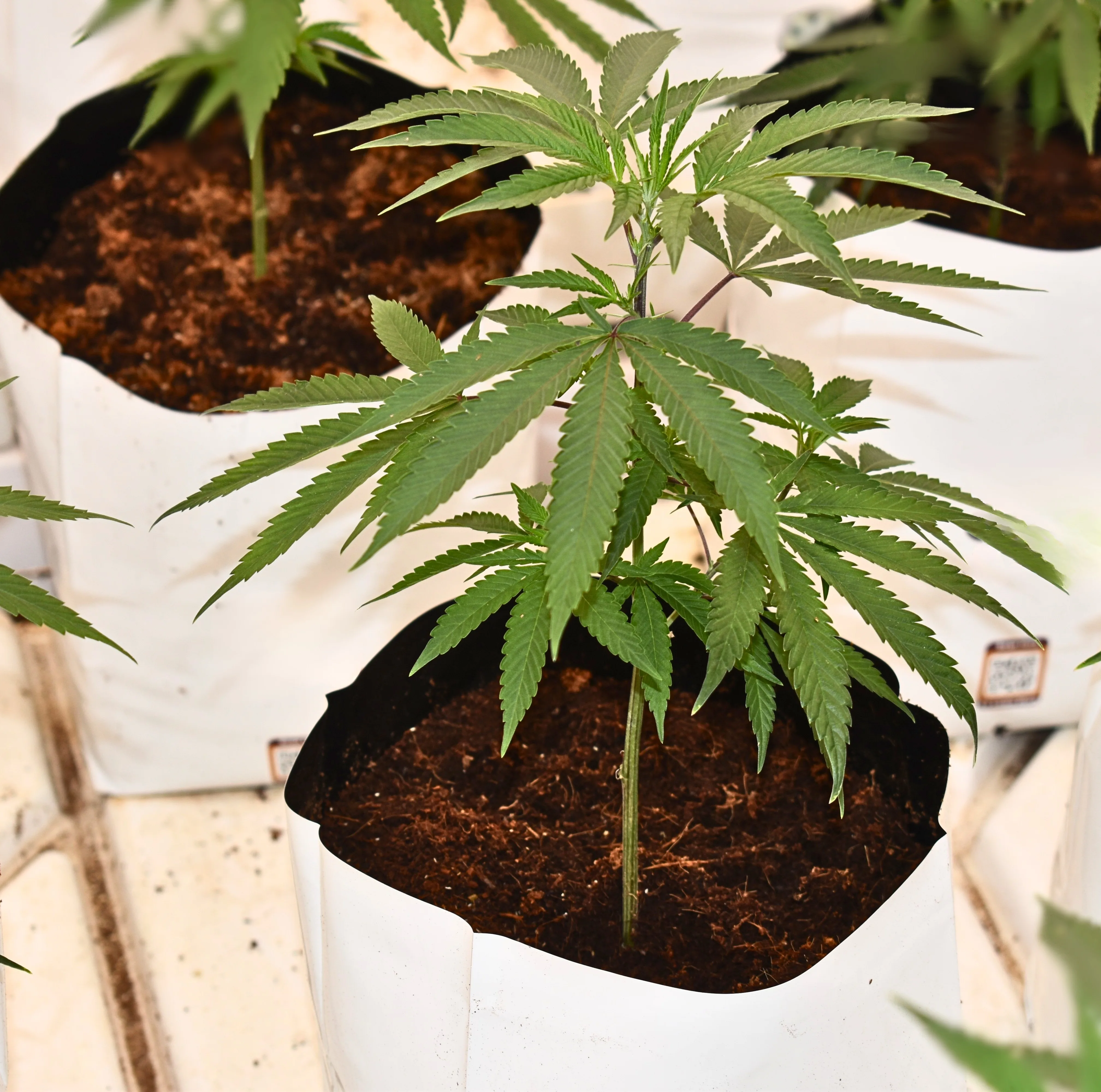
What Are Terpenes? A Guide to Nature’s Aromatic Compounds
Terpenes are naturally occurring compounds found in many plants, including herbs, fruits, flowers, and hemp. They are responsible for the distinctive aromas and flavors that make each plant unique. In…
-

The Science Behind CBD: How It Works in Your Body
Cannabidiol (CBD) is recognized for its potential therapeutic benefits, interacting with the endocannabinoid system (ECS) that regulates functions like sleep, mood, and appetite. Unlike THC, CBD does not cause a ‘high’ and may aid in anxiety, pain management, and neurological conditions, although further research is necessary.
-

Cannabis and Mental Health: What You Need to Know
The relationship between cannabis and mental health is nuanced, as it can provide relief for some while negatively affecting others. Individual factors like dosage, strain, and brain chemistry influence these outcomes. Starting with low doses and consulting healthcare professionals is essential, as cannabis shouldn’t replace professional mental health treatment.
-
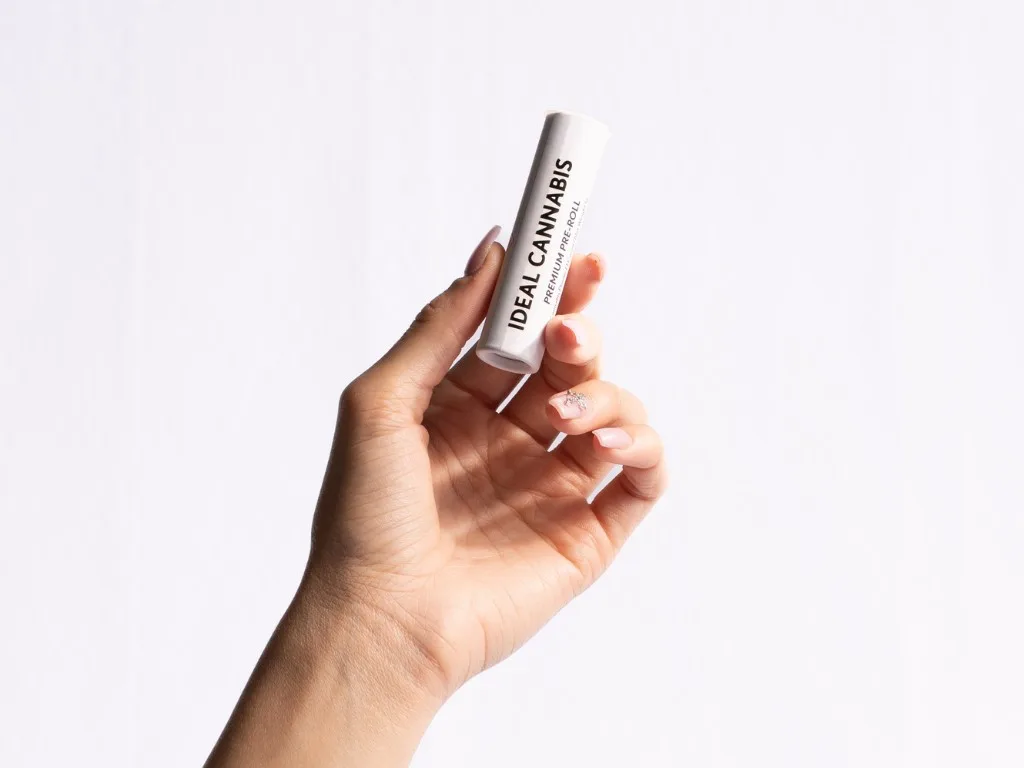
Sustainable Cannabis Cultivation: Best Practices
As the cannabis industry expands, sustainable practices are vital. Key considerations include water conservation through drip irrigation and rainwater collection, energy efficiency with LED lighting and ventilation, organic growing for quality enhancement, and the adoption of renewable energy and waste reduction strategies to minimize environmental impacts.
-

Cannabis and Creativity: Exploring the Connection
Cannabis is believed to enhance creativity in artists and writers by breaking down mental barriers and fostering divergent thinking. Sativa strains are favored for their energizing effects, while finding the right dosage is crucial, as too much can impair creativity. Individual responses vary, making experimentation essential for optimal use.