
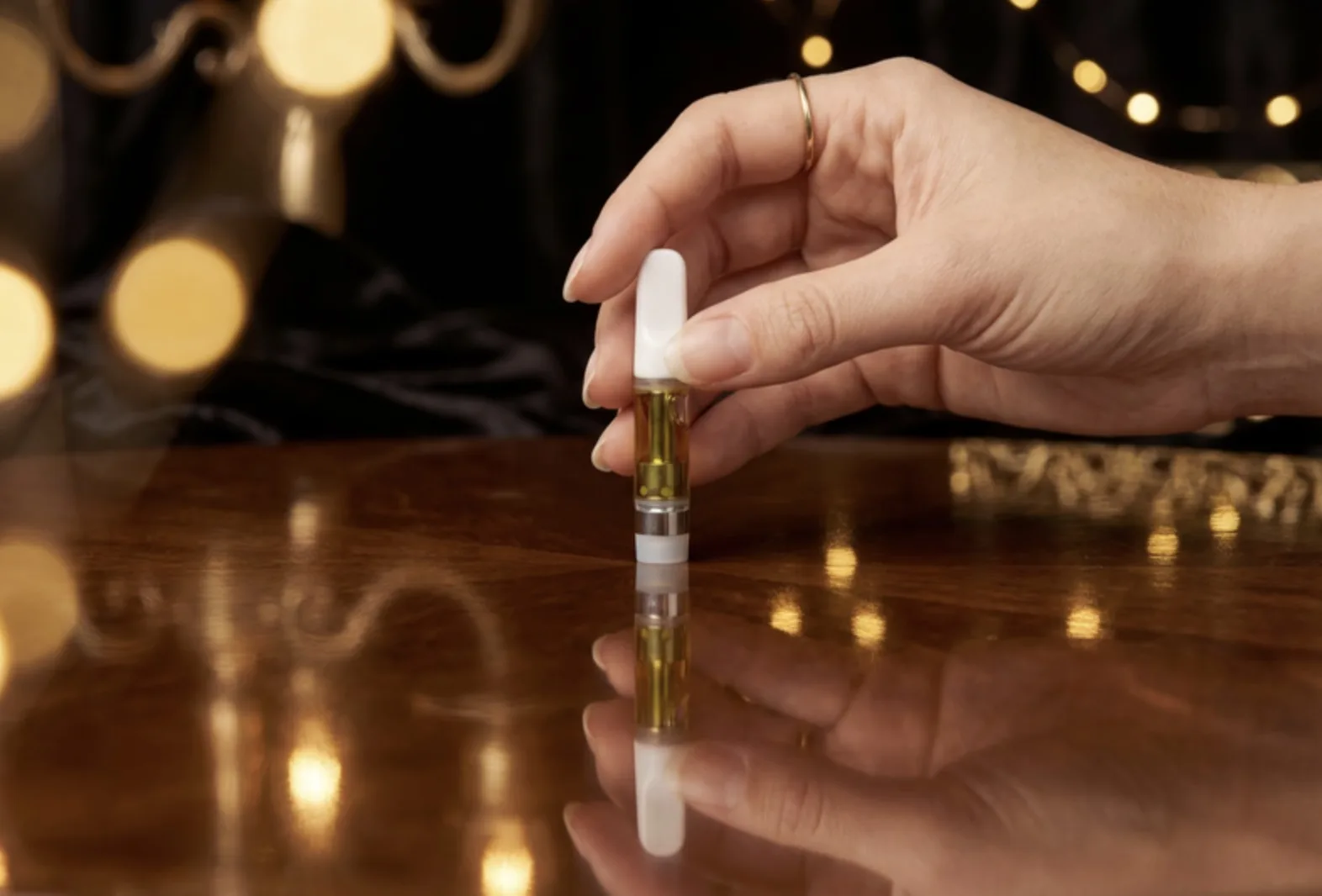
Cannabis and Exercise: A Surprising Connection

The relationship between cannabis and exercise might seem counterintuitive, but many athletes and fitness enthusiasts are incorporating cannabis into their routines.

Some users report that cannabis can help with workout recovery by reducing inflammation and muscle soreness. CBD, in particular, has gained popularity for its potential anti-inflammatory properties.

Cannabis can also help some people get into the ‘zone’ during exercise, potentially enhancing focus and enjoyment of physical activity.

It’s important to note that cannabis affects everyone differently, and what works for one person might not work for another. Always start with low doses and monitor your body’s response.
Explore Other Posts

  • Understanding Different Cannabis Strains: A Beginner’s Guide

    Understanding Different Cannabis Strains: A Beginner’s Guide

    Cannabis strains vary in type, each with distinct effects. Indica strains offer relaxation beneficial for sleep, while sativa strains provide energizing, creative benefits suitable for daytime. Hybrid strains blend both, delivering a balanced experience based on the dominant type. Understanding these differences is essential for users navigating cannabis options.

  • The Science Behind CBD: How It Works in Your Body

    The Science Behind CBD: How It Works in Your Body

    Cannabidiol (CBD) is recognized for its potential therapeutic benefits, interacting with the endocannabinoid system (ECS) that regulates functions like sleep, mood, and appetite. Unlike THC, CBD does not cause a ‘high’ and may aid in anxiety, pain management, and neurological conditions, although further research is necessary.

  • Cannabis and Mental Health: What You Need to Know

    Cannabis and Mental Health: What You Need to Know

    The relationship between cannabis and mental health is nuanced, as it can provide relief for some while negatively affecting others. Individual factors like dosage, strain, and brain chemistry influence these outcomes. Starting with low doses and consulting healthcare professionals is essential, as cannabis shouldn’t replace professional mental health treatment.