
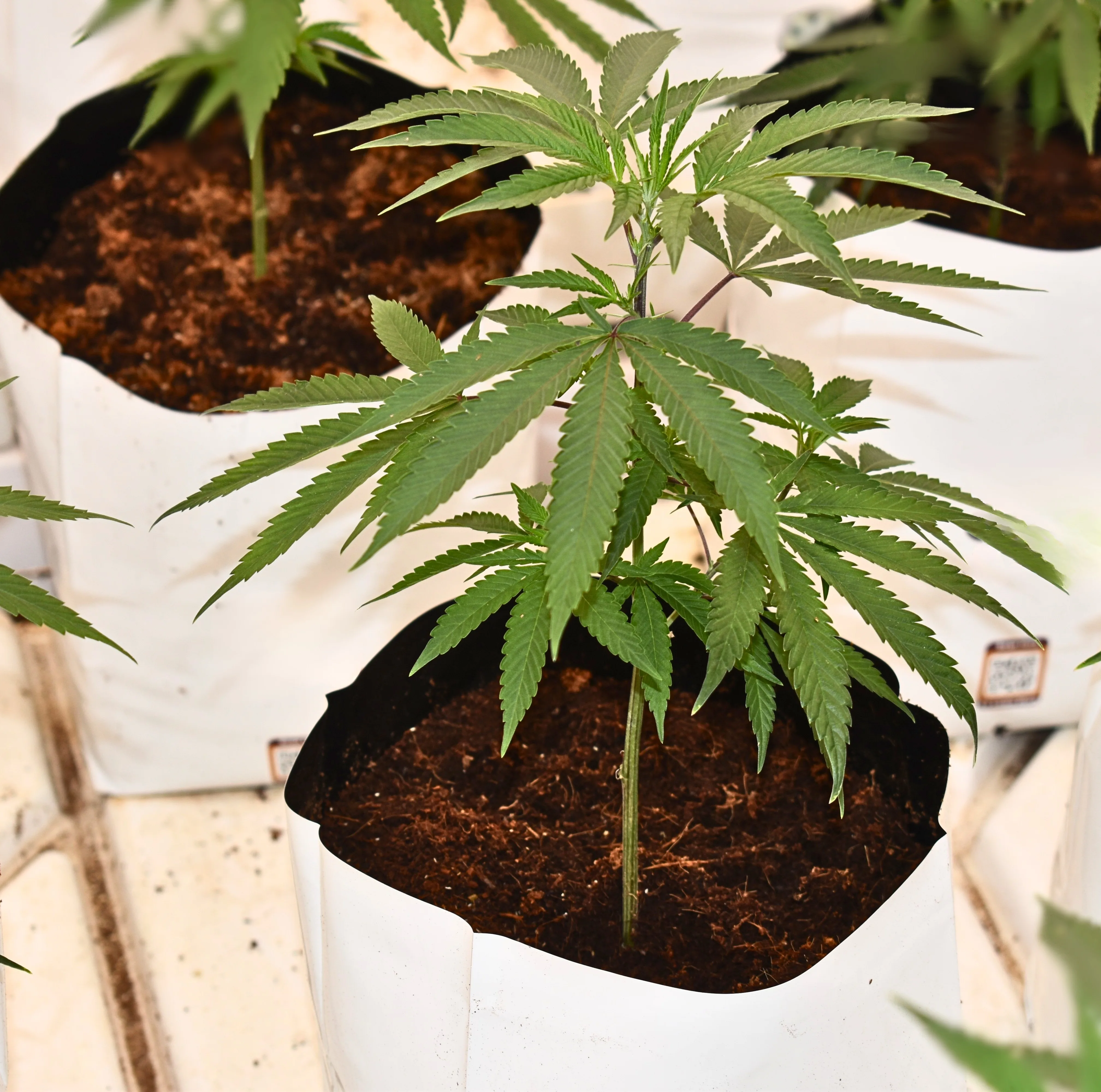
What Are Terpenes? A Guide to Nature’s Aromatic Compounds

Terpenes are naturally occurring compounds found in many plants, including herbs, fruits, flowers, and hemp. They are responsible for the distinctive aromas and flavors that make each plant unique. In nature, terpenes help protect plants from environmental challenges and attract beneficial pollinators.

Researchers have studied terpenes for their potential antioxidant, antimicrobial, and anti-inflammatory properties, as well as their role in supporting overall wellness. Different terpenes, such as limonene, pinene, and linalool, each have unique characteristics and occur in a wide variety of botanical sources.
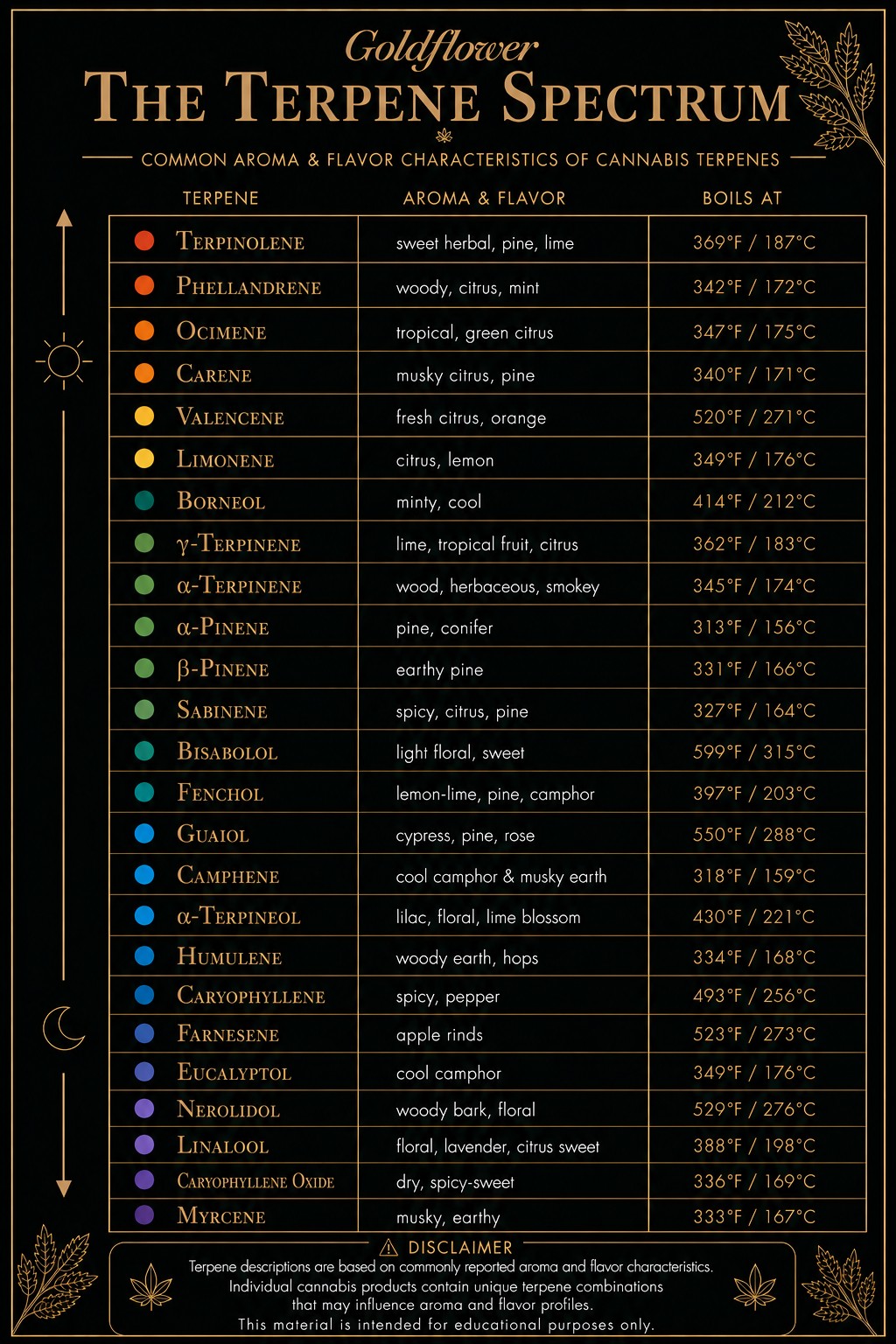
Terpene spectrum chart

When combined with other naturally occurring plant compounds, terpenes may contribute to the overall profile and function of a plant extract, a concept often referred to as the entourage effect. Many people choose terpene-rich products because they value their natural origin and the broad range of plant compounds they provide.

Ongoing research continues to explore how terpenes may support healthy biological processes and complement other plant-based ingredients. Learning about terpenes can help consumers make more informed choices when selecting products derived from plants.
Explore Other Posts

  • Understanding Different Cannabis Strains: A Beginner’s Guide

    Understanding Different Cannabis Strains: A Beginner’s Guide

    Cannabis strains vary in type, each with distinct effects. Indica strains offer relaxation beneficial for sleep, while sativa strains provide energizing, creative benefits suitable for daytime. Hybrid strains blend both, delivering a balanced experience based on the dominant type. Understanding these differences is essential for users navigating cannabis options.

  • The Science Behind CBD: How It Works in Your Body

    The Science Behind CBD: How It Works in Your Body

    Cannabidiol (CBD) is recognized for its potential therapeutic benefits, interacting with the endocannabinoid system (ECS) that regulates functions like sleep, mood, and appetite. Unlike THC, CBD does not cause a ‘high’ and may aid in anxiety, pain management, and neurological conditions, although further research is necessary.

  • Cannabis and Mental Health: What You Need to Know

    Cannabis and Mental Health: What You Need to Know

    The relationship between cannabis and mental health is nuanced, as it can provide relief for some while negatively affecting others. Individual factors like dosage, strain, and brain chemistry influence these outcomes. Starting with low doses and consulting healthcare professionals is essential, as cannabis shouldn’t replace professional mental health treatment.